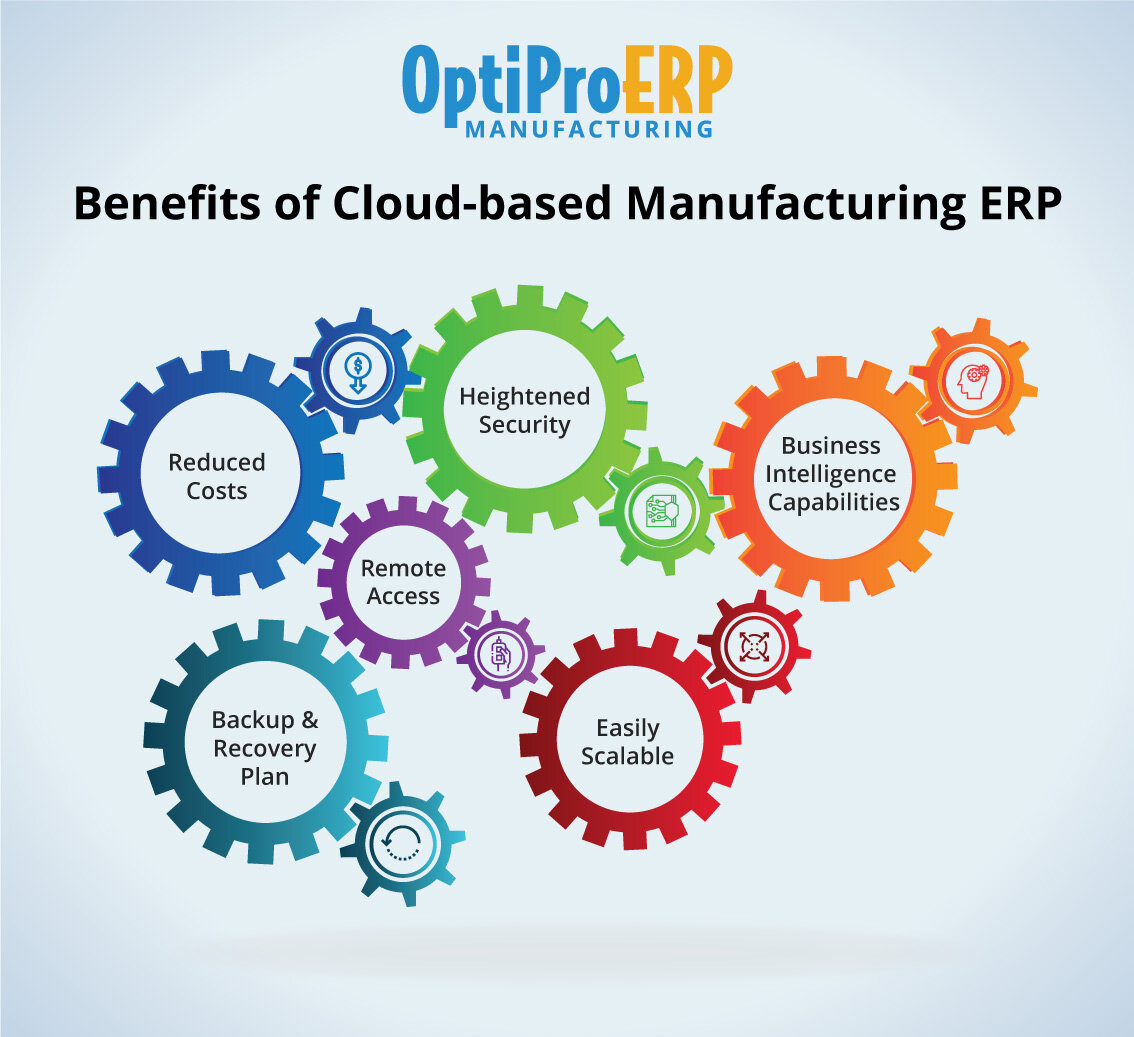
Welcome to a world where manufacturing companies can streamline their operations, improve efficiency, and boost productivity with the help of cloud-based ERP systems. Gone are the days of manual data entry and cumbersome processes – now, businesses can access real-time insights, collaborate seamlessly, and make informed decisions from anywhere in the world. By harnessing the power of cloud technology, manufacturing companies can optimize their processes, reduce costs, and stay ahead of the competition. Read on to discover the numerous benefits of cloud-based ERP for manufacturing companies.
The Benefits of Cloud-Based ERP for Manufacturing
Cloud-based ERP for manufacturing offers numerous advantages that traditional on-premise systems simply cannot match. One of the key benefits is increased flexibility. With a cloud-based ERP system, manufacturers have the ability to access their data and systems from anywhere with an internet connection. This means that employees can work remotely or access important information while on the go, leading to greater efficiency and productivity.
Another advantage of cloud-based ERP for manufacturing is cost savings. Traditional on-premise systems often require a significant upfront investment in hardware, software, and IT resources. With a cloud-based system, manufacturers can eliminate these expenses and instead pay a monthly subscription fee based on usage. This pay-as-you-go model allows companies to scale their systems as needed without incurring additional costs.
Additionally, cloud-based ERP systems offer enhanced security measures. These systems are typically hosted on secure servers with advanced encryption protocols to protect sensitive data. In the event of a disaster, such as a fire or flood, cloud-based systems provide automatic backups and data recovery options to ensure minimal disruption to operations.
One of the key benefits of cloud-based ERP for manufacturing is the ability to easily integrate with other software applications. This seamless integration streamlines processes and allows for real-time data sharing between different departments, suppliers, and customers. This interconnected ecosystem helps to improve communication and collaboration, leading to faster decision-making and increased agility in responding to market changes.
Lastly, cloud-based ERP systems offer automatic software updates and maintenance. This means that manufacturers no longer have to worry about manually installing patches or upgrades, as these tasks are handled by the service provider. This ensures that the system is always up-to-date with the latest features and security enhancements, freeing up IT resources to focus on more strategic initiatives.
Key Features to Look for in a Cloud-Based ERP System
When considering a cloud-based ERP system for manufacturing, there are several key features that businesses should look for to ensure they are getting the most out of their investment. One of the most important features to consider is scalability. A cloud-based ERP system should be able to grow and adapt with your business as it expands. This means that the system should be able to handle an increasing amount of data and users without sacrificing performance or security. Look for a system that offers flexible pricing options and the ability to easily add or remove users as needed.
Another important feature to consider is integration capabilities. A cloud-based ERP system should be able to seamlessly integrate with other software and systems that your business uses. This includes integration with customer relationship management (CRM) systems, e-commerce platforms, and other third-party applications. This integration is crucial for streamlining processes, improving efficiency, and ensuring data accuracy. Look for a system that offers pre-built integrations with popular software applications or the ability to easily create custom integrations.
Data security is also a critical feature to look for in a cloud-based ERP system. Your ERP system will house sensitive business data, including financial information, customer data, and manufacturing processes. It is essential that this data is protected from cyber threats, unauthorized access, and data breaches. Look for a system that offers robust security features, such as data encryption, two-factor authentication, and regular security updates. Additionally, ensure that the system complies with industry-specific regulations and standards to protect your data and maintain compliance.
Usability is another important factor to consider when choosing a cloud-based ERP system for manufacturing. The system should be intuitive and user-friendly, with a clean and modern interface that is easy to navigate. Employees at all levels of the organization should be able to easily use the system without extensive training or technical knowledge. Look for a system that offers customizable dashboards, role-based access controls, and mobile accessibility to enable employees to access real-time data and make informed decisions from anywhere, at any time.
In conclusion, when selecting a cloud-based ERP system for manufacturing, businesses should look for key features such as scalability, integration capabilities, data security, and usability to ensure they are getting the most out of their investment. By choosing a system that meets these criteria, businesses can streamline processes, improve efficiency, and drive growth and success in the competitive manufacturing industry.
Implementing Cloud-Based ERP: Best Practices for Manufacturers
Implementing a cloud-based ERP system for manufacturing can be a game-changer for companies looking to streamline their operations and improve efficiency. However, it is essential to follow best practices to ensure a successful implementation. Here are some tips to consider:
1. Choose the Right ERP Provider
Before diving into implementing a cloud-based ERP system, it is crucial to choose the right provider. Look for a vendor that specializes in manufacturing ERP solutions and has experience working with companies in your industry. Make sure the provider offers robust features that meet your specific needs, such as production planning, inventory management, and supply chain optimization.
2. Plan Ahead and Set Clear Objectives
Effective planning is key to a successful ERP implementation. Before you start the process, sit down with key stakeholders and define clear objectives for the project. What are your goals for implementing a cloud-based ERP system? Are you looking to improve production efficiency, reduce costs, or enhance customer service? Once you have a clear vision in mind, you can develop a detailed implementation plan that outlines timelines, resources, and milestones.
3. Train Your Team and Provide Ongoing Support
One of the most critical aspects of implementing a cloud-based ERP system is training your team on how to use the new software effectively. Make sure to provide comprehensive training sessions for employees at all levels of the organization, from top management to shop floor workers. This will help ensure a smooth transition and minimize resistance to change.
Additionally, provide ongoing support to your team after the ERP system is up and running. Encourage employees to ask questions and provide resources, such as user manuals and tutorials, to help them navigate the new software. Consider appointing a dedicated support team to address any technical issues or concerns that may arise.
By investing in training and ongoing support, you can maximize the benefits of your cloud-based ERP system and ensure long-term success.
Overcoming Common Challenges of Cloud-Based ERP in Manufacturing
Implementing cloud-based ERP systems in manufacturing can be a game-changer for efficiency, productivity, and overall business success. However, like any major technological shift, there are challenges that need to be addressed to ensure a smooth transition and optimized performance. Here are some common challenges that manufacturing companies may face when implementing cloud-based ERP systems, along with strategies to overcome them:
One of the key challenges in transitioning to a cloud-based ERP system for manufacturing is data security and privacy concerns. Manufacturers deal with sensitive information such as product designs, pricing, customer data, and more, making data security a top priority. To address this challenge, it is essential to work with a reputable cloud service provider that offers robust security measures, such as encryption, access controls, and regular security audits. Additionally, implementing strict data governance policies and providing employee training on data security best practices can help mitigate the risk of data breaches.
Another common challenge in implementing cloud-based ERP systems in manufacturing is system integration. Many manufacturing companies already have existing legacy systems in place, and integrating these systems with a new cloud-based ERP system can be complex and time-consuming. To overcome this challenge, it is important to work with an experienced ERP implementation partner who can provide expertise in system integration and customization. Additionally, implementing middleware solutions or APIs can help streamline the integration process and ensure that data flows seamlessly between different systems.
Scalability is another challenge that manufacturing companies may face when implementing cloud-based ERP systems. As the business grows and evolves, the ERP system needs to be able to scale up to accommodate increased data volume, user traffic, and transactional requirements. To address this challenge, it is important to choose a cloud-based ERP system that offers scalability features, such as flexible pricing plans, customizable modules, and the ability to add or remove users as needed. Regularly reviewing and optimizing system performance can also help ensure that the ERP system can handle the demands of a growing manufacturing business.
Lastly, change management is a common challenge in implementing cloud-based ERP systems in manufacturing. Resistance to change from employees who are accustomed to traditional processes and systems can impede the successful adoption of a new ERP system. To overcome this challenge, it is important to involve employees in the decision-making process, provide comprehensive training and support, and communicate the benefits of the new system. Creating a culture of continuous learning and improvement can help employees embrace change and adapt to new ways of working with a cloud-based ERP system.
By addressing these common challenges proactively and investing in the right resources and support, manufacturing companies can successfully implement and optimize cloud-based ERP systems to drive business growth and competitive advantage.
Trends and Future Outlook for Cloud-Based ERP in the Manufacturing Industry
Cloud-based ERP systems have been gaining popularity in the manufacturing industry due to their numerous benefits. As technology continues to advance, there are several trends and future outlooks that are shaping the adoption of cloud-based ERP in the manufacturing sector.
1. Increased Adoption Rates:
One of the key trends in the manufacturing industry is the increased adoption of cloud-based ERP systems. Many manufacturing companies are realizing the benefits of these systems, such as cost savings, scalability, and flexibility. As a result, more and more companies are making the switch to cloud-based ERP solutions.
2. Integration with IoT and AI:
Another trend that is shaping the future of cloud-based ERP in manufacturing is the integration with IoT (Internet of Things) and AI (Artificial Intelligence). By connecting ERP systems with IoT devices and AI algorithms, manufacturing companies can gain real-time insights into their operations, optimize production processes, and improve overall efficiency.
3. Focus on Data Security:
With the increasing amount of data being stored and processed in the cloud, data security has become a top priority for manufacturing companies. As a result, future cloud-based ERP systems are expected to place an even greater emphasis on data encryption, access control, and compliance with industry regulations to ensure the protection of sensitive information.
4. Customization and Personalization:
Manufacturing companies are also looking for cloud-based ERP systems that can be easily customized and personalized to meet their specific needs. In the future, we can expect to see more ERP vendors offering flexible and customizable solutions that can be tailored to the unique requirements of each manufacturing company.
5. Enhanced User Experience:
One of the key trends shaping the future outlook for cloud-based ERP in the manufacturing industry is the focus on enhancing the user experience. As more manufacturing companies adopt cloud-based ERP systems, there is a growing demand for user-friendly interfaces, intuitive dashboards, and mobile accessibility. In response to this trend, ERP vendors are investing in improving the usability and overall user experience of their systems to ensure that employees can easily navigate and utilize the software to its full potential.
In conclusion, the trends and future outlook for cloud-based ERP in the manufacturing industry are centered around increased adoption rates, integration with IoT and AI, data security, customization, and an enhanced user experience. As manufacturing companies continue to embrace cloud-based ERP systems, we can expect to see further advancements and innovations that will help drive operational efficiency, improve decision-making, and accelerate business growth.