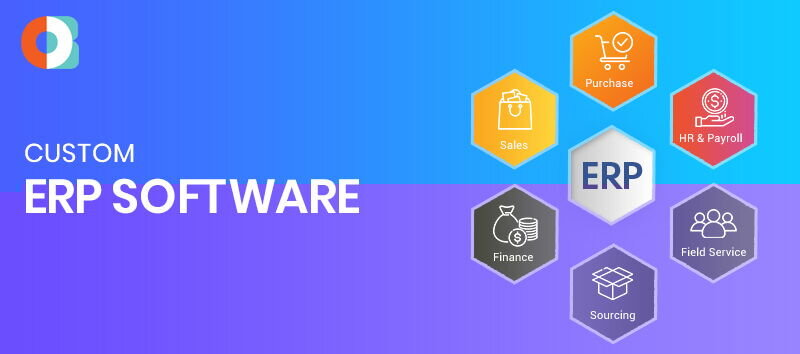
Hey there! Are you looking to take your business to the next level? Custom ERP software might just be the solution you need. By investing in a personalized ERP system, you can streamline your operations, improve efficiency, and boost productivity. Say goodbye to manual processes and hello to a more streamlined and automated way of doing business. Discover the benefits of custom ERP software and watch your business thrive.
Understanding Custom ERP Software
Custom ERP software, also known as Enterprise Resource Planning software, is a specialized system designed to meet the unique and specific needs of a business or organization. While standard ERP systems offer a range of features and functionalities that cater to various industries, custom ERP software is tailored to address the specific requirements of a particular company. This customized approach allows businesses to streamline their operations, improve efficiency, and gain a competitive edge in the market.
One of the key benefits of custom ERP software is its ability to integrate all aspects of a business into a centralized platform. This includes functions such as inventory management, accounting, human resources, customer relationship management, and more. By consolidating these different operations into a single system, businesses can eliminate silos and improve communication and collaboration across departments. This integration also enables real-time data sharing and analysis, which can lead to better decision-making and overall business performance.
Another advantage of custom ERP software is its scalability and flexibility. Unlike off-the-shelf solutions that may not fully meet the unique requirements of a business, custom ERP software can be tailored and modified to adapt to changes in the industry, market, or business environment. This level of customization allows businesses to stay agile and responsive to evolving needs, ensuring that the software remains relevant and effective over time.
In addition to customization and integration, custom ERP software offers enhanced security features that protect sensitive business data and information. Businesses can implement strict access controls, encryption protocols, and other security measures to safeguard their assets and maintain compliance with industry regulations. This heightened level of security is crucial in today’s digital landscape, where cyber threats and data breaches pose significant risks to businesses of all sizes.
Furthermore, custom ERP software can provide a tailored user experience that aligns with the specific workflows and processes of a business. By designing the software interface to mirror existing practices and procedures, employees can quickly adapt to the new system and maximize their productivity. Training and onboarding become more efficient, leading to faster adoption rates and higher user satisfaction.
Overall, custom ERP software offers a personalized solution that addresses the individual needs and challenges of a business. By leveraging the benefits of integration, scalability, security, and user experience, businesses can optimize their operations, drive growth, and achieve their strategic goals. With the right custom ERP software in place, companies can stay ahead of the competition and thrive in today’s fast-paced and dynamic business environment.
Benefits of Implementing Custom ERP Software
Implementing custom ERP software in a business can provide numerous benefits that can enhance the overall efficiency and productivity of the organization. Custom ERP software is tailored to meet the specific needs and requirements of a company, making it more effective than off-the-shelf solutions. Here are some of the key benefits of implementing custom ERP software:
1. Improved Efficiency: Custom ERP software is designed to streamline business processes and automate repetitive tasks, resulting in improved efficiency across the organization. By providing a centralized platform for managing all aspects of the business, custom ERP software eliminates the need for manual data entry and reduces the risk of errors. This leads to faster decision-making, improved communication between departments, and increased overall productivity.
2. Enhanced Scalability: One of the major advantages of custom ERP software is its scalability. As businesses grow and evolve, their software needs to adapt to accommodate new processes and requirements. Custom ERP software can easily scale to meet the changing needs of a business, whether it’s adding new users, integrating with third-party systems, or expanding into new markets. This flexibility ensures that the software remains relevant and effective as the business continues to grow.
3. Personalized User Experience: Custom ERP software is designed with the end user in mind, offering a personalized and intuitive interface that is tailored to the specific needs of the organization. This results in a more user-friendly experience, with features and functionalities that align with the unique workflow of the business. By customizing the software to match the way employees work, businesses can improve user adoption rates and increase overall satisfaction with the system.
4. Enhanced Security: Off-the-shelf ERP software may not always provide the level of security necessary to protect sensitive business data. Custom ERP software, on the other hand, can be equipped with advanced security features that are tailored to the specific needs of the organization. This includes strict access controls, encryption of sensitive data, and regular security updates to protect against potential threats. By investing in custom ERP software, businesses can safeguard their data and minimize the risk of security breaches.
5. Cost-Effectiveness: While custom ERP software may require a higher initial investment than off-the-shelf solutions, it can ultimately result in cost savings over time. By eliminating the need for multiple software licenses, reducing manual labor, and increasing overall efficiency, custom ERP software can help businesses save money in the long run. Additionally, custom ERP software can be easily scaled and updated as the business grows, avoiding the need for costly software replacements in the future.
Overall, the implementation of custom ERP software can provide a range of benefits for businesses looking to streamline operations, improve efficiency, and drive growth. By investing in a customized solution that is tailored to their specific needs, organizations can gain a competitive edge in today’s fast-paced business landscape.
Factors to Consider when Choosing a Custom ERP Software
When looking to implement a custom ERP software for your business, it is essential to consider several factors to ensure that you are making the right decision. Here are some key factors to keep in mind before choosing a custom ERP software:
1. Business Needs: The first factor to consider when choosing a custom ERP software is your business needs. It is crucial to assess what functionalities and features are essential for your business processes. Consider what specific requirements your business has, such as inventory management, financial reporting, or customer relationship management. By identifying your business needs, you can narrow down your options and choose a custom ERP software that meets your specific requirements.
2. Scalability: Another important factor to consider is the scalability of the custom ERP software. As your business grows, your software should be able to grow with you. Make sure that the software can accommodate additional users, transactions, and data as your business expands. Choosing a scalable ERP software ensures that you won’t outgrow your system and need to invest in a new one in the future.
3. Customization: One of the main reasons for choosing a custom ERP software is the ability to tailor the system to meet your unique business requirements. When considering customization options, it is essential to assess the level of customization offered by the software provider. Some ERP software allows for extensive customization, while others may have limitations on how much you can modify the system. Ask the vendor if they offer customization services, how easy it is to customize the software, and if they provide ongoing support for any customizations. It is also important to consider the cost and time involved in customizing the software to align with your business processes.
Overall, when choosing a custom ERP software for your business, it is essential to consider factors such as your business needs, scalability, and customization options. By evaluating these key factors, you can select a custom ERP software that is tailored to your specific requirements and will support your business growth in the long term.
Common Challenges in Implementing Custom ERP Software
Implementing custom ERP software can be a complex process that presents several challenges for businesses. Here are some common challenges that companies may face when implementing custom ERP software:
1. Cost Overruns: One of the most prevalent challenges in implementing custom ERP software is the possibility of cost overruns. Custom ERP solutions can be expensive, and there is always a risk that the project will exceed its budget. Businesses need to carefully plan and monitor their expenses to prevent cost overruns from occurring.
2. Integration Issues: Another common challenge when implementing custom ERP software is integration issues. Custom ERP systems need to be integrated with existing systems and software within the organization. This can be a complex process that requires meticulous planning and testing to ensure that everything functions seamlessly.
3. Resistance to Change: Resistance to change is another challenge that many companies face when implementing custom ERP software. Employees may be resistant to adopting new processes and technologies, which can hinder the success of the implementation. It is essential for businesses to communicate the benefits of the new ERP system and provide adequate training to help employees adapt to the changes.
4. Lack of Expertise: A significant challenge in implementing custom ERP software is the lack of expertise within the organization. Custom ERP systems are complex and require specialized knowledge to implement effectively. Companies may struggle to find employees with the necessary skills and experience to manage the implementation process. This can result in delays and errors that can impact the overall success of the project.
One way to overcome this challenge is to work with external consultants or software vendors who have expertise in custom ERP implementations. These experts can provide guidance and support throughout the implementation process, helping to ensure that the project is completed successfully.
Overall, implementing custom ERP software presents several challenges for businesses. By carefully planning the project, addressing integration issues, addressing resistance to change, and seeking out expertise when needed, companies can increase their chances of success and reap the benefits of a custom ERP system.
Future Trends in Custom ERP Software Development
Custom ERP software development is constantly evolving to meet the changing needs of businesses. In this article, we will discuss some of the future trends that we can expect to see in the development of custom ERP software.
1. Artificial Intelligence (AI) Integration: One of the most significant trends in custom ERP software development is the integration of AI technologies. AI can help automate repetitive tasks, optimize processes, and provide valuable insights for decision-making. By harnessing the power of AI, custom ERP software can become more intelligent and efficient, leading to increased productivity and cost savings for businesses.
2. Cloud-Based Solutions: Another growing trend in custom ERP software development is the shift towards cloud-based solutions. Cloud-based ERP systems offer greater flexibility, scalability, and accessibility compared to on-premise solutions. With the increasing popularity of remote work and the need for real-time data access, cloud-based ERP software is becoming a more attractive option for businesses of all sizes.
3. Mobile Optimization: With the rise of mobile devices, custom ERP software developers are focusing on optimizing their solutions for mobile platforms. Mobile ERP applications allow users to access critical business data from anywhere, at any time, making it easier to stay connected and make informed decisions on the go. By prioritizing mobile optimization, custom ERP software can enhance user experience and improve overall efficiency.
4. Integration with IoT Devices: The Internet of Things (IoT) is revolutionizing the way businesses operate, and custom ERP software developers are starting to integrate IoT devices into their solutions. By connecting ERP systems with IoT devices, businesses can collect real-time data from sensors and devices, allowing for more accurate forecasting, better decision-making, and improved automation of processes. This trend is expected to continue as IoT technology becomes more widespread across industries.
5. Personalization and Customization: In the future, we can expect to see a greater emphasis on personalization and customization in custom ERP software development. Businesses have unique needs and requirements, and custom ERP software should be able to adapt to these specifications. By offering more options for customization and personalization, ERP software developers can create solutions that truly meet the individual needs of each business, leading to greater satisfaction and success for their clients.
Overall, the future of custom ERP software development is bright, with trends like AI integration, cloud-based solutions, mobile optimization, IoT device integration, and personalization/customization leading the way. By staying ahead of these trends and embracing innovation, businesses can ensure that their custom ERP software remains relevant, effective, and competitive in the ever-changing world of technology.
Originally posted 2025-01-15 11:35:42.