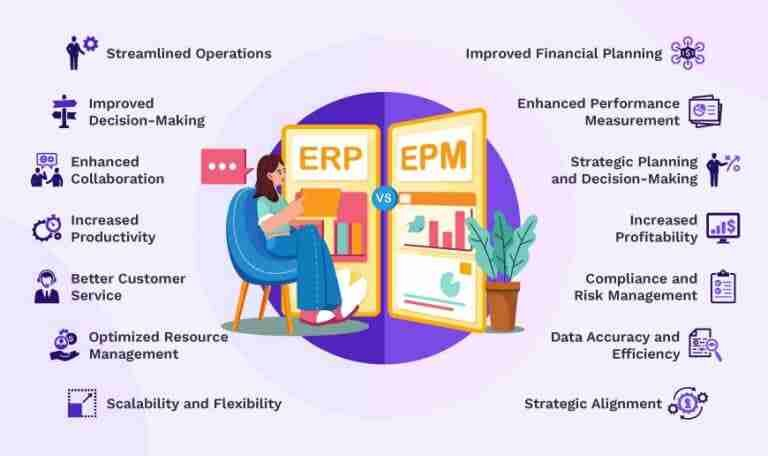
Hey there! Have you ever found yourself confused between EPM and ERP software? Don’t worry, you’re not alone. Many people mix up these two types of software, but they actually serve different purposes. In this article, we’ll delve into the key differences between EPM (Enterprise Performance Management) and ERP (Enterprise Resource Planning) software to help you understand which one is the right fit for your business needs.
The Difference Between EPM and ERP
Enterprise Performance Management (EPM) and Enterprise Resource Planning (ERP) are two essential tools that businesses can utilize to improve their operations and streamline their processes. While both EPM and ERP systems are integral to a company’s success, they serve different purposes and cater to different aspects of the business.
ERP systems are primarily focused on the management of an organization’s resources, including finance, human resources, supply chain, and customer data. These systems are designed to integrate various functions and departments within a company, allowing for better coordination and efficiency in operations. ERP systems typically include modules for accounting, procurement, inventory management, and HR management, among others. By centralizing data and automating processes, ERP systems help businesses improve their decision-making and operational efficiency.
On the other hand, EPM systems are more geared towards monitoring and analyzing the performance of a company’s operations. These systems provide tools for budgeting, forecasting, financial consolidation, and performance reporting. EPM systems help businesses set strategic goals, track progress towards those goals, and make data-driven decisions to improve performance. By providing insights into key performance indicators (KPIs) and trends, EPM systems empower organizations to identify areas for improvement and optimize their resources effectively.
While ERP systems focus on managing daily operations, EPM systems help businesses plan for the future and drive performance improvements. ERP systems are like the engine that keeps a company running smoothly, while EPM systems serve as the dashboard that provides critical insights into how the business is performing and where it can improve.
Another key difference between EPM and ERP systems lies in their target users. ERP systems are typically used by a wider range of employees across various departments, such as accounting, procurement, and HR. These systems are essential for day-to-day operations and are critical to ensuring the smooth functioning of a business. In contrast, EPM systems are primarily used by senior management and finance teams to analyze data, make strategic decisions, and drive performance improvements.
In conclusion, while EPM and ERP systems are both vital tools for modern businesses, they serve distinct purposes and cater to different aspects of a company’s operations. ERP systems focus on managing resources and integrating various functions within a business, while EPM systems are geared towards analyzing performance, setting strategic goals, and driving improvements. By leveraging the power of both EPM and ERP systems, companies can optimize their operations, improve decision-making, and achieve sustainable growth.
Key Features of EPM
Enterprise Performance Management (EPM) software is a powerful tool that helps organizations streamline their financial processes, improve decision-making, and drive growth. EPM solutions offer a wide range of features that enable businesses to effectively plan, budget, forecast, and analyze their financial performance. Here are some key features of EPM:
1. Financial Planning and Budgeting: EPM software allows organizations to create comprehensive financial plans and budgets to align with their strategic goals. These tools enable users to set targets, track performance against those targets, and make informed decisions based on real-time data. With EPM, organizations can easily model different scenarios and analyze the impact on their financial performance.
2. Reporting and Analysis: One of the most important features of EPM is its robust reporting and analysis capabilities. Users can generate detailed financial reports, dashboards, and scorecards to gain insights into their financial performance. With EPM, organizations can easily consolidate data from multiple sources, analyze trends, and identify areas for improvement. Additionally, EPM software allows users to drill down into the data to understand the root causes of financial issues and make data-driven decisions.
3. Forecasting and Predictive Analytics: EPM software leverages advanced forecasting and predictive analytics tools to help organizations predict future financial trends and outcomes. With EPM, organizations can develop accurate forecasts based on historical data and market trends. These forecasts enable businesses to anticipate potential challenges and opportunities, allowing them to make proactive decisions to drive growth and increase profitability.
4. Collaboration and Workflow Management: EPM solutions facilitate collaboration among team members by providing a centralized platform for sharing information, documents, and feedback. Users can work together in real-time to develop financial plans, budgets, and forecasts, ensuring alignment and accountability across the organization. EPM software also streamlines the workflow management process by automating routine tasks and approvals, enabling teams to focus on strategic initiatives and value-added activities.
5. Performance Monitoring and KPIs: EPM software enables organizations to track key performance indicators (KPIs) and monitor their financial performance in real-time. Users can set performance targets, measure progress against those targets, and identify areas that require attention. EPM solutions provide visualizations and alerts to help users quickly identify trends and anomalies, allowing them to take timely action to address issues and capitalize on opportunities.
Overall, EPM software offers a comprehensive suite of features that empower organizations to optimize their financial performance, drive growth, and make informed decisions. By leveraging the key features of EPM, businesses can gain a competitive edge in today’s dynamic and complex business environment.
Key Features of ERP
Enterprise Resource Planning (ERP) systems are comprehensive software solutions that integrate various functions and processes within an organization. These systems have become essential tools for businesses of all sizes to streamline operations, improve efficiency, and make data-driven decisions. Below are some key features of ERP that make it a valuable asset for modern businesses:
1. Centralized Database: One of the primary features of an ERP system is its ability to centralize data from different departments and functions into a single database. This centralized repository of information allows for easy access and retrieval of data, enabling employees to make informed decisions quickly. By eliminating data silos and manual data entry, ERP systems help organizations improve data accuracy and consistency.
2. Integration of Business Processes: ERP systems integrate various business processes such as finance, human resources, inventory management, and customer relationship management into a unified platform. This integration allows for seamless communication and collaboration between different departments, reducing errors and duplication of work. By automating workflows and standardizing processes, ERP systems help organizations improve operational efficiency and productivity.
3. Customization and Scalability: One of the advantages of ERP systems is their ability to be customized to meet the specific needs of an organization. Whether it’s adding new modules, tailor-making reports, or integrating third-party applications, ERP systems can be adapted to fit the unique requirements of a business. Additionally, ERP systems are designed to scale with the growth of an organization, allowing businesses to add new users, departments, or functionalities as needed without major disruptions to operations.
4. Real-Time Reporting and Analytics: ERP systems offer real-time reporting and analytics capabilities that provide organizations with valuable insights into their business performance. By tracking key performance indicators (KPIs) and generating customizable reports, businesses can monitor their operations, identify trends, and make data-driven decisions. With advanced analytics tools, ERP systems help organizations forecast future trends, optimize processes, and drive innovation.
5. Regulatory Compliance: ERP systems help organizations stay compliant with industry regulations and standards by integrating compliance requirements into their workflows. With features such as audit trails, security controls, and role-based access permissions, ERP systems ensure data integrity and confidentiality. By automating compliance processes and providing documentation for audits, ERP systems help businesses mitigate risks and avoid penalties.
In conclusion, ERP systems are powerful tools that offer a wide range of features to help organizations streamline their operations, improve efficiency, and make informed decisions. By centralizing data, integrating processes, customizing solutions, providing real-time insights, and ensuring regulatory compliance, ERP systems enable businesses to stay competitive in today’s fast-paced business environment.
How EPM and ERP Work Together
Enterprise Performance Management (EPM) and Enterprise Resource Planning (ERP) are two distinct systems that serve different purposes within an organization. However, when these two systems are integrated effectively, they can complement each other and provide a powerful tool for organizations to optimize their performance and make informed business decisions.
ERP systems focus on managing core business processes such as inventory management, human resources, and accounting. These systems are designed to streamline operations, improve efficiency, and provide a centralized source of data for decision-making. On the other hand, EPM systems are more focused on strategic planning, performance monitoring, and analysis of key performance indicators (KPIs). EPM systems help organizations set goals, track progress, and make adjustments to achieve desired outcomes.
When EPM and ERP systems work together, organizations can benefit from a holistic approach to managing their operations and performance. One key way in which EPM and ERP systems work together is through data integration. By integrating data from ERP systems into EPM systems, organizations can ensure that they have access to accurate, up-to-date information for strategic planning and performance monitoring. This integration allows organizations to create a seamless flow of data between the two systems, eliminating the need for manual data entry and reducing the risk of errors.
Another way in which EPM and ERP systems work together is through process integration. By aligning the processes and workflows of EPM and ERP systems, organizations can create a more efficient and effective system for managing their operations and performance. For example, EPM systems can leverage data from ERP systems to create financial forecasts, budget plans, and performance reports that are based on real-time data. This integration allows organizations to make more informed decisions and respond quickly to changes in the business environment.
Furthermore, EPM and ERP systems can work together to improve collaboration and communication within an organization. By sharing data and insights between the two systems, employees at all levels of the organization can have access to the information they need to make decisions and take action. This collaboration can lead to a more cohesive and aligned approach to managing performance and achieving strategic goals.
In conclusion, when EPM and ERP systems work together, organizations can benefit from a more comprehensive and integrated approach to managing their operations and performance. By integrating data, processes, and collaboration between these two systems, organizations can improve efficiency, make informed decisions, and achieve their strategic goals more effectively.
Choosing Between EPM and ERP for Your Business
When it comes to choosing between Enterprise Performance Management (EPM) and Enterprise Resource Planning (ERP) solutions for your business, it’s important to consider your specific needs and goals. Both EPM and ERP systems offer a wide range of benefits, but they serve different purposes and are designed to address different aspects of your business operations.
1. Scope and Focus: EPM systems are geared towards improving the overall performance of your business by focusing on strategic planning, budgeting, and forecasting. These systems are designed to help you track and analyze key performance indicators (KPIs) in order to make informed decisions and drive business growth. On the other hand, ERP systems are designed to streamline and automate your day-to-day business processes, such as accounting, HR, supply chain management, and inventory control.
2. Integration and Data Management: EPM systems typically integrate with various data sources within your organization, such as financial, sales, and operational data, in order to provide a comprehensive view of your business performance. ERP systems, on the other hand, are designed to centralize all of your business data and streamline communication between different departments, making it easier to access and share information across the organization.
3. User Interface and Accessibility: EPM systems are often more user-friendly and intuitive, allowing business users to easily input and analyze data without the need for extensive training. ERP systems, on the other hand, may require more technical expertise to use effectively, as they are typically more complex and require a deeper understanding of business processes.
4. Cost and Implementation: EPM systems are often more expensive to implement and maintain than ERP systems, as they require specialized software and expertise to effectively analyze and report on business performance. ERP systems, on the other hand, may be more cost-effective for small to medium-sized businesses looking to streamline their operations and improve efficiency.
5. Scalability and Flexibility: When choosing between EPM and ERP solutions for your business, it’s important to consider your long-term growth and scalability requirements. EPM systems are typically more flexible and scalable, allowing you to easily adapt and expand your system as your business grows and evolves. ERP systems, on the other hand, may require more customization and integration to accommodate changes in your business processes and operations.
By carefully evaluating your specific business needs and goals, you can choose the right solution that aligns with your strategic objectives and helps drive business success.
Originally posted 2025-01-13 11:03:35.