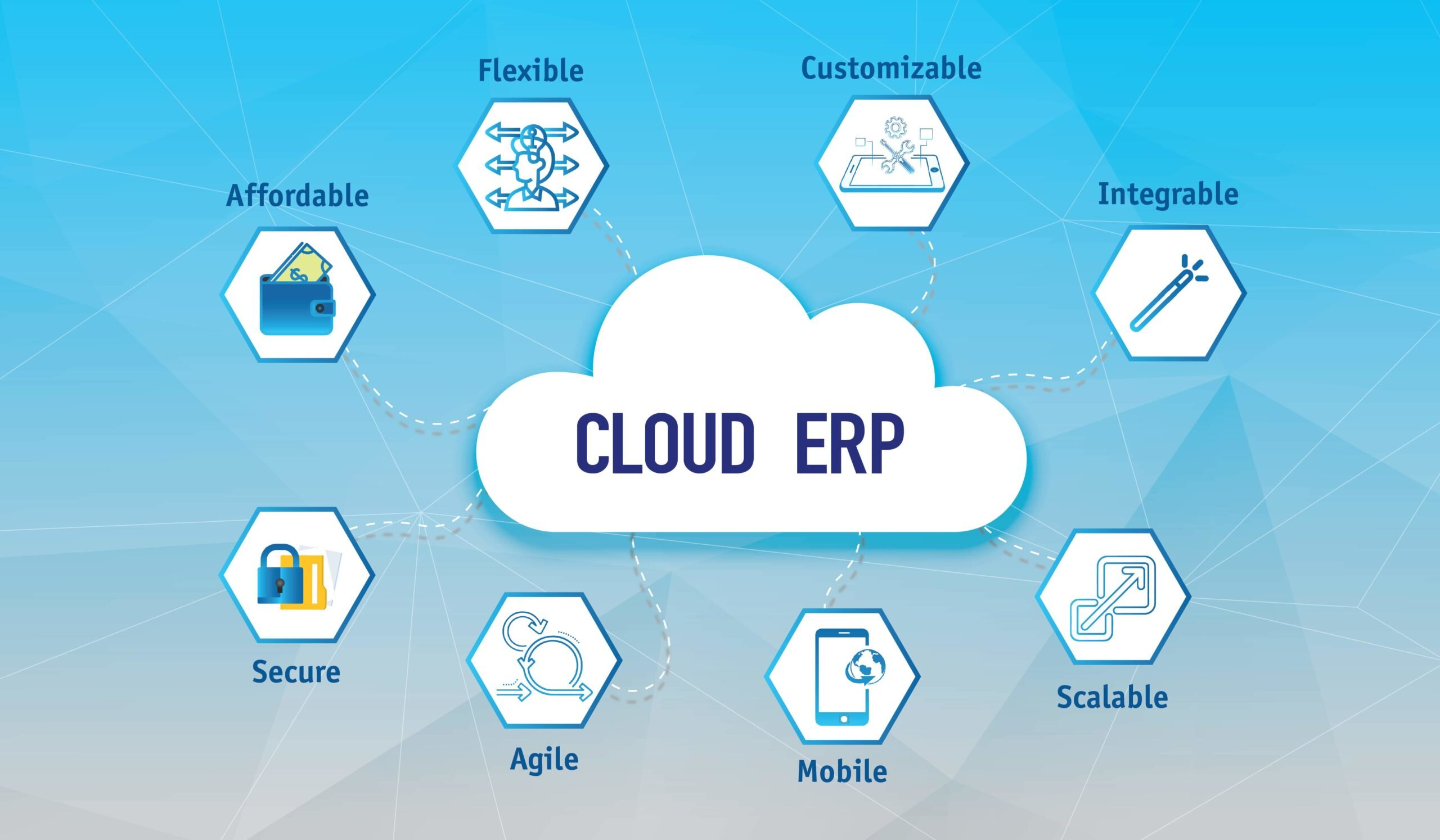
Welcome, small business owners! In today’s fast-paced digital world, it’s crucial to stay ahead of the curve when it comes to managing your operations. One way to do this is by embracing cloud ERP (Enterprise Resource Planning) software. Cloud ERP offers a range of benefits for small businesses, from cost savings to improved efficiency and flexibility. Let’s dive into the advantages of adopting cloud ERP for your business and how it can help elevate your company to the next level.
Benefits of Cloud ERP for Small Businesses
Cloud ERP (Enterprise Resource Planning) systems offer a multitude of benefits for small businesses that can help streamline operations, improve efficiency, and drive growth. One of the key advantages of Cloud ERP for small businesses is the cost savings it provides. Traditional ERP systems require significant upfront investments in hardware, software, and IT infrastructure. On the other hand, Cloud ERP systems are typically subscription-based, which means that small businesses can access the same powerful tools and functionalities without the hefty initial investment.
Furthermore, Cloud ERP systems are hosted on remote servers by the ERP vendor, eliminating the need for small businesses to maintain and manage their own IT infrastructure. This means that small businesses no longer have to worry about software updates, security patches, or hardware maintenance, as these tasks are all handled by the ERP vendor. With Cloud ERP, small businesses can focus on their core operations and leave the technical aspects to the experts.
Another benefit of Cloud ERP for small businesses is the scalability it offers. As small businesses grow and evolve, their ERP needs may change. Cloud ERP systems are designed to be flexible and scalable, allowing small businesses to easily add or remove users, modify features, and expand their storage capacity as needed. This scalability ensures that small businesses can adapt to changing market conditions and business requirements without having to invest in a whole new ERP system.
In addition to cost savings and scalability, Cloud ERP systems also provide small businesses with greater accessibility and mobility. Cloud ERP systems can be accessed from anywhere with an internet connection, allowing employees to work remotely, collaborate with team members in different locations, and access real-time data on the go. This level of accessibility and mobility can greatly improve productivity, efficiency, and collaboration within small businesses.
Furthermore, Cloud ERP systems offer enhanced security features that can help protect small businesses from cyber threats and data breaches. ERP vendors invest heavily in security measures and protocols to ensure that their cloud-based systems are secure and compliant with industry standards. This means that small businesses can have peace of mind knowing that their sensitive data is safe and protected in the Cloud ERP environment.
Overall, Cloud ERP systems offer small businesses a cost-effective, scalable, accessible, and secure solution for managing their operations and driving growth. By leveraging the benefits of Cloud ERP, small businesses can gain a competitive edge, improve efficiency, and position themselves for long-term success in today’s fast-paced and competitive business landscape.
Key Features to Look for in a Cloud ERP System
When considering implementing a Cloud ERP system for your small business, it’s important to look for key features that will help streamline your operations and improve efficiency. Here are some features to consider:
1. Scalability: One of the biggest advantages of a Cloud ERP system is its scalability. As your business grows, you will need a system that can easily grow with you. Look for a system that allows you to easily add or remove users, as well as increase storage space and functionality without a lot of hassle.
2. Customization: A Cloud ERP system that can be customized to fit your unique business needs is essential for small businesses. Look for a system that allows you to tailor your workflows, reports, and dashboards to meet your specific requirements. This will ensure that the system works seamlessly with your existing processes and helps you achieve your business goals more effectively.
Customization options should include the ability to add or remove modules, create custom fields, and design personalized workflows. This will allow you to adapt the system to fit the specific needs of your industry and ensure that you are getting the most out of your Cloud ERP investment.
Additionally, look for a Cloud ERP system that offers a user-friendly interface for customization. The easier it is to make changes to the system, the more likely you are to optimize its performance and ensure that it meets your evolving business needs.
In conclusion, when choosing a Cloud ERP system for your small business, make sure to prioritize scalability and customization features. These will help you adapt the system to fit your unique business requirements and ensure that it helps streamline your operations and improve efficiency.
How Cloud ERP Can Save Small Businesses Time and Money
Cloud ERP, or Enterprise Resource Planning, is a software solution that can revolutionize the way small businesses operate. By moving their business processes to the cloud, small businesses can save both time and money in various ways. Let’s take a closer look at how Cloud ERP can benefit small businesses:
1. Reduced IT Infrastructure Costs: One of the most significant benefits of using Cloud ERP for small businesses is the reduction in IT infrastructure costs. With a traditional on-premise ERP system, small businesses would need to invest in expensive hardware, software licenses, and maintenance. However, with Cloud ERP, all of this is taken care of by the ERP provider. This means small businesses can avoid the upfront costs and ongoing maintenance fees associated with traditional ERP systems, saving them a significant amount of money in the long run.
2. Improved Scalability and Flexibility: Another key advantage of Cloud ERP for small businesses is the ability to easily scale and adapt to changing business needs. With a cloud-based ERP system, small businesses can quickly add or remove users, modules, and features as needed, without the need for costly upgrades or customizations. This flexibility allows small businesses to respond more effectively to market changes and growth opportunities, saving them time and money in the process.
3. Enhanced Security and Data Protection: When it comes to data security, small businesses can often struggle to maintain the same level of protection as larger enterprises. However, by using Cloud ERP, small businesses can benefit from enterprise-grade security features that may be too costly to implement on their own. Cloud ERP providers invest heavily in security measures such as data encryption, regular backups, and access controls to ensure that small businesses’ sensitive data is protected from cyber threats and data breaches. By entrusting their data to a reputable Cloud ERP provider, small businesses can save time and money that would otherwise be spent on implementing and maintaining their own security measures.
In conclusion, Cloud ERP can save small businesses time and money by reducing IT infrastructure costs, improving scalability and flexibility, and enhancing security and data protection. By leveraging the benefits of Cloud ERP, small businesses can streamline their business processes, boost productivity, and drive growth in a cost-effective manner.
Implementing Cloud ERP: Tips for a Smooth Transition
Implementing a cloud ERP system may seem like a daunting task for small businesses, but with the right planning and approach, it can be a smooth and successful transition. Here are some tips to help make the implementation process as seamless as possible:
1. Define Your Goals: Before diving into the implementation process, it’s important to clearly define your goals and expectations for the new system. Consider what you hope to achieve with the cloud ERP solution, whether it’s streamlining processes, improving data accuracy, or increasing efficiency.
2. Choose the Right Vendor: Selecting the right vendor is crucial for a successful cloud ERP implementation. Take the time to research different vendors and their offerings, and consider factors such as cost, scalability, and customer support. Look for a vendor that has experience working with small businesses and understands your specific needs.
3. Get Buy-In From Stakeholders: Involving key stakeholders in the decision-making process can help ensure a smooth transition to the new system. Take the time to communicate with employees and address any concerns or questions they may have. Getting buy-in from all levels of the organization can help make the implementation process more successful.
4. Provide Adequate Training: One of the most critical aspects of a successful cloud ERP implementation is providing adequate training for employees. While cloud ERP systems are designed to be user-friendly, it’s important for employees to understand how to use the system effectively. Consider offering training sessions, workshops, or online resources to help employees familiarize themselves with the new system.
Training should be tailored to different roles within the organization, ensuring that each employee has the necessary skills to utilize the cloud ERP system effectively. Encouraging employees to ask questions, provide feedback, and share best practices can also help facilitate a smoother transition.
5. Test the System: Before fully implementing the cloud ERP system, it’s essential to test the system thoroughly to identify any potential issues or areas for improvement. Consider running test scenarios, conducting user acceptance testing, and seeking feedback from stakeholders to ensure that the system meets your organization’s needs.
6. Plan for Integration: If your small business already uses other software or systems, it’s essential to plan for integration with the new cloud ERP system. Work closely with your vendor to ensure a seamless integration process, and consider any potential challenges or obstacles that may arise.
By following these tips and approaching the cloud ERP implementation process strategically, small businesses can achieve a smooth and successful transition to a new system. With the right planning, training, and support, cloud ERP can help small businesses streamline operations, improve efficiency, and drive growth.
Challenges of Cloud ERP Adoption for Small Businesses
Small businesses often face unique challenges when it comes to adopting cloud ERP systems. While cloud ERP offers numerous benefits such as cost savings, scalability, and improved accessibility, there are several obstacles that small businesses must overcome to successfully implement and leverage these systems.
1. Lack of Resources: One of the main challenges small businesses face when adopting cloud ERP is the lack of resources. Unlike larger enterprises that have dedicated IT departments and ample funding, small businesses often have limited resources in terms of both finances and expertise. Implementing a cloud ERP system requires not only an upfront investment in software and hardware but also ongoing maintenance and support, which can strain the resources of small businesses.
2. Resistance to Change: Another challenge small businesses encounter when adopting cloud ERP is resistance to change. Employees may be accustomed to existing processes and systems, making them reluctant to learn how to use a new cloud ERP system. This resistance can hinder the adoption and successful implementation of cloud ERP, as employees may not fully embrace the new technology or may be hesitant to utilize its features to their fullest potential.
3. Integration with Existing Systems: Small businesses often have a myriad of existing systems and processes in place, making the integration of a new cloud ERP system a complex and challenging task. Ensuring that the cloud ERP system can seamlessly integrate with existing systems, such as CRM software or accounting platforms, is crucial for small businesses to fully benefit from the new technology. The lack of integration can result in data silos, inefficiencies, and a fragmented view of the business.
4. Data Security and Privacy Concerns: Data security and privacy are significant concerns for small businesses considering cloud ERP adoption. Storing sensitive business data in the cloud can present risks such as data breaches, unauthorized access, and data loss. Small businesses may lack the expertise and resources necessary to implement robust security measures and ensure compliance with regulations such as GDPR. Addressing these concerns is essential for small businesses to protect their data and maintain the trust of their customers.
5. Training and Education: Small businesses often struggle with providing adequate training and education to employees when implementing a cloud ERP system. Training employees on how to use the new system effectively, navigate its features, and troubleshoot common issues is essential for the successful adoption of cloud ERP. However, small businesses may lack dedicated training resources or the expertise to develop comprehensive training programs. As a result, employees may not fully understand how to utilize the cloud ERP system, leading to underutilization of its features and a lower return on investment.
Originally posted 2025-01-17 08:30:01.