Welcome to our guide on choosing the best ERP development company for your business needs! With so many options available in the market, it can be overwhelming to find the right partner to handle your ERP systems. From technical expertise to cost considerations, there are several key factors to keep in mind when making this crucial decision. By understanding these factors, you can ensure that the ERP development company you choose aligns with your goals and helps drive your business forward.
What is an ERP Development Company?
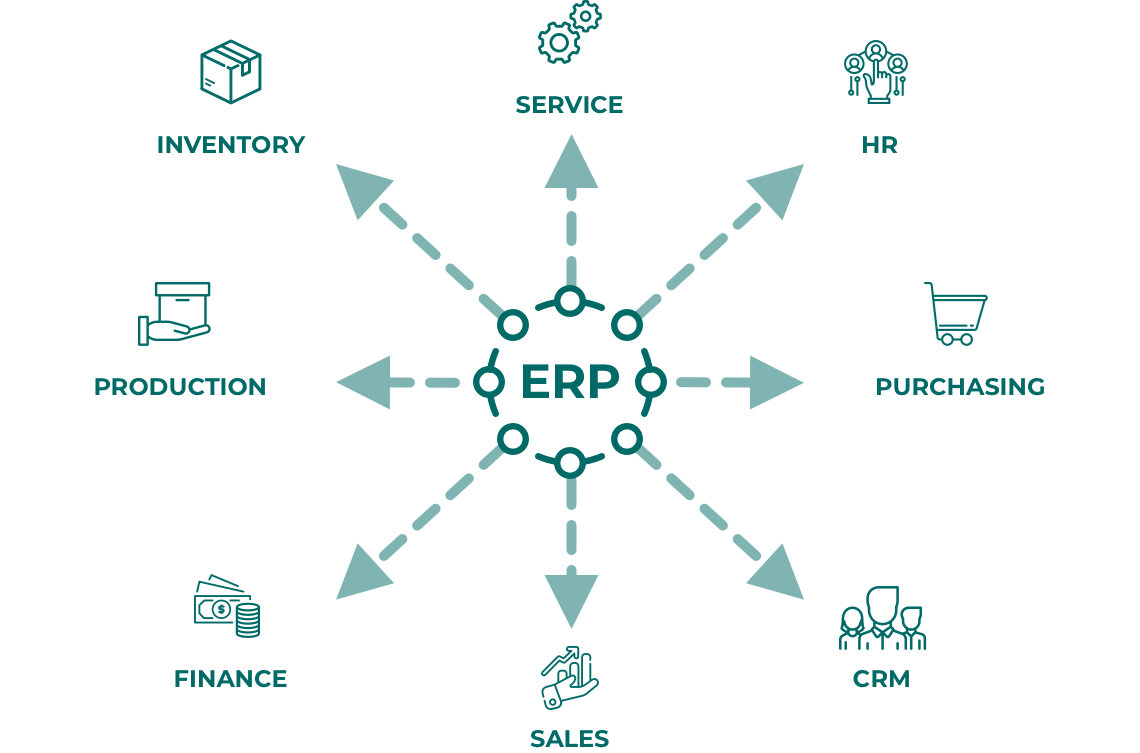
An ERP Development Company is a specialized organization that focuses on providing services related to Enterprise Resource Planning (ERP) software development. ERP is a type of software that integrates and manages all the core processes of a business such as procurement, production, sales, and finance. This software helps in streamlining operations, improving efficiency, reducing costs, and enhancing overall business performance.
ERP Development Companies employ teams of skilled professionals including software developers, project managers, business analysts, and quality assurance engineers. These professionals work together to design, develop, implement, and support ERP solutions tailored to the specific needs of their clients. They have a strong understanding of business processes and technology to create customized ERP systems that meet the unique requirements of each organization.
ERP Development Companies use various technologies and tools to build ERP software solutions such as SAP, Oracle, Microsoft Dynamics, and many others. They also provide customization, integration, maintenance, and support services to ensure that the ERP systems function effectively and efficiently for their clients.
Furthermore, ERP Development Companies follow a structured approach to ERP software development which includes analyzing the client’s business requirements, designing the solution, developing the software, testing it for bugs, deploying it in the client’s environment, and providing ongoing support and maintenance. They also offer training and documentation services to help users understand and maximize the benefits of the ERP system.
In addition to ERP software development, ERP Development Companies may also offer consultancy services to help organizations choose the right ERP solution, optimize their business processes, and align their technology with their business goals. They work closely with their clients to ensure that the ERP system is aligned with their business objectives and delivers the expected outcomes.
In conclusion, an ERP Development Company plays a crucial role in helping businesses leverage technology to streamline operations, improve efficiency, and achieve their strategic goals. By providing tailored ERP solutions and comprehensive support services, these companies help organizations enhance their competitiveness and drive growth in today’s dynamic business environment.
The Importance of ERP Solutions
ERP (Enterprise Resource Planning) solutions have become a crucial tool for businesses looking to streamline their operations and improve efficiency. These software systems integrate various functions across different departments, such as accounting, human resources, sales, and inventory management, into one cohesive platform. By centralizing data and processes, ERP solutions help organizations make better decisions, reduce costs, and stay competitive in today’s fast-paced business environment.
One of the key benefits of ERP solutions is improved data visibility and accessibility. With all departments using the same system, employees can access real-time information on sales, inventory levels, and financials, allowing for better decision-making. This increased visibility also helps to eliminate data silos and reduce the risk of errors caused by manual data entry.
Another important aspect of ERP solutions is process automation. By automating routine tasks such as invoicing, inventory management, and payroll processing, businesses can free up their employees to focus on more strategic activities. This not only increases productivity but also helps to reduce human error and streamline operations.
ERP solutions also provide valuable insights through advanced analytics and reporting capabilities. By collecting and analyzing data from various sources, businesses can identify trends, forecast demand, and optimize their operations. This data-driven approach enables organizations to make informed decisions and adapt quickly to changing market conditions.
Furthermore, ERP solutions promote collaboration and communication within the organization. With a centralized system in place, employees from different departments can easily share information, collaborate on projects, and communicate in real-time. This fosters a more cohesive and efficient work environment, leading to improved productivity and customer satisfaction.
In addition to internal benefits, ERP solutions also help businesses meet regulatory compliance requirements and industry standards. By centralizing data and ensuring accuracy and consistency, ERP systems provide a reliable audit trail and support compliance with legal and regulatory requirements. This not only reduces the risk of non-compliance penalties but also helps to build trust with customers and stakeholders.
Overall, ERP solutions have become an essential tool for modern businesses looking to stay competitive and grow. By integrating functions, improving data visibility, automating processes, and providing valuable insights, ERP systems help organizations make better decisions, increase efficiency, and adapt to changing market conditions. As technology continues to evolve, the importance of ERP solutions will only continue to grow, making them a crucial investment for businesses looking to succeed in today’s digital age.
Customization Options for ERP Development
When it comes to ERP development, customization options play a crucial role in tailoring the system to meet the specific needs of a business. The ability to customize ERP software allows companies to adapt the system to their unique processes, workflows, and requirements, ultimately leading to increased efficiency and productivity.
One key customization option for ERP development is the ability to add or remove modules based on the company’s needs. This flexibility allows businesses to choose the functionalities that are most relevant to their operations, without having to invest in unnecessary features. For example, a manufacturing company may opt to include modules for inventory management, production planning, and quality control, while a service-based company may focus on modules for customer relationship management, project management, and billing.
Another important customization option is the ability to customize the user interface of the ERP system. This includes features such as customizing dashboards, creating personalized views, and setting up role-based access controls. By providing users with a streamlined and user-friendly interface, companies can improve adoption rates and overall user satisfaction with the ERP system.
Additionally, ERP development companies may offer the option to integrate third-party applications or develop custom integrations to connect the ERP system with other software solutions used by the business. This seamless integration allows for data sharing across platforms, reducing manual data entry and streamlining processes. For example, an e-commerce company may integrate their ERP system with their online store platform to automatically sync order information, inventory levels, and customer data.
Furthermore, customization options for ERP development may include the ability to create custom reports and analytics to gain deeper insights into the company’s performance. By tailoring reports to specific key performance indicators (KPIs) and business metrics, companies can make data-driven decisions and drive continuous improvement within their organization.
Overall, the customization options available for ERP development play a critical role in helping businesses create a tailored and efficient system that aligns with their unique needs and goals. By leveraging these customization options, companies can maximize the ROI of their ERP investment and set themselves up for long-term success in an increasingly competitive business landscape.
Trends in ERP Development
As technology continues to evolve, so does the landscape of ERP development. Here are some key trends that are currently shaping the industry:
1. Cloud-Based Solutions: One of the biggest trends in ERP development is the shift towards cloud-based solutions. Cloud ERP systems offer flexibility, scalability, and cost-effectiveness that traditional on-premise solutions cannot match. With cloud-based ERP, businesses can access their data from anywhere, at any time, making it easier for teams to collaborate and work efficiently.
2. AI and Machine Learning: Another trend in ERP development is the integration of artificial intelligence (AI) and machine learning capabilities. These technologies can help automate repetitive tasks, improve decision-making processes, and provide valuable insights into business operations. By incorporating AI and machine learning into ERP systems, companies can streamline their processes and drive greater efficiency.
3. Mobile Accessibility: In today’s fast-paced world, mobile accessibility is more important than ever. ERP systems are now being designed with mobile interfaces that allow users to access important data and perform tasks on the go. This trend is driven by the increasing number of remote workers and the need for real-time information to make informed decisions.
4. Integration with IoT Devices: One of the most exciting trends in ERP development is the integration of ERP systems with Internet of Things (IoT) devices. IoT devices are becoming increasingly prevalent in businesses, collecting vast amounts of data that can be leveraged to improve operational efficiency. By integrating ERP systems with IoT devices, businesses can gain real-time insights into their operations, track inventory levels, monitor equipment performance, and more.
This trend has the potential to revolutionize how businesses collect, analyze, and use data to make informed decisions. By harnessing the power of IoT devices in conjunction with ERP systems, companies can optimize their processes, improve productivity, and drive growth.
In conclusion, the trends in ERP development are continually evolving to meet the changing needs of businesses in today’s digital age. From cloud-based solutions to AI and machine learning capabilities, the future of ERP systems is exciting and full of opportunities for innovation. By keeping up with these trends and incorporating them into their strategies, companies can stay ahead of the curve and unlock the full potential of their ERP systems.
Choosing the Right ERP Development Company for Your Business
When it comes to selecting an ERP development company for your business, there are several key factors to consider in order to ensure that you are making the right choice. From evaluating the company’s experience and expertise to assessing their communication and support, it is important to thoroughly research and analyze potential candidates before making a decision.
One of the first things to consider when choosing an ERP development company is their level of experience in working with businesses in your industry. It is important to choose a company that has a track record of success in developing ERP solutions for businesses similar to yours. This will ensure that they understand the unique challenges and requirements of your industry and can create a customized solution that meets your specific needs.
In addition to experience, it is also important to consider the expertise of the ERP development company. Look for a company that has a team of skilled developers and consultants who are experienced in implementing ERP systems. They should have a deep understanding of the latest technologies and best practices in the industry, and be able to provide you with expert guidance and support throughout the development process.
Communication is another key factor to consider when choosing an ERP development company. In order for the project to be successful, it is essential that there is clear and open communication between the company and your team. Look for a company that is responsive to your inquiries and provides regular updates on the progress of the project. They should also be able to effectively communicate technical information in a way that is easy to understand for non-technical stakeholders.
Support is also an important consideration when selecting an ERP development company. After the implementation of the ERP system, you will need ongoing support and maintenance to ensure that it continues to meet your business needs. Look for a company that offers comprehensive support services, including troubleshooting, training, and system upgrades. They should be able to provide you with the resources and assistance you need to maximize the value of your ERP system.
Finally, it is important to consider the reputation and track record of the ERP development company. Research their past projects and client testimonials to get a sense of their capabilities and customer satisfaction. Choose a company that has a proven track record of delivering high-quality ERP solutions on time and within budget. By selecting a reputable and reliable ERP development company, you can feel confident that you are making a smart investment in the future success of your business.
Originally posted 2025-01-12 14:03:29.