ERP Pricing: Everything You Need to Know
Welcome to the world of ERP pricing! Whether you’re a small business owner or a decision-maker in a large corporation, understanding the ins and outs of ERP pricing is essential for making informed choices about your company’s software needs. ERP, or Enterprise Resource Planning, software can streamline your business operations and improve efficiency, but it’s important to know the costs involved before diving in. In this article, we’ll cover everything you need to know about ERP pricing, from factors that affect pricing to strategies for getting the best deal for your business.
Factors Influencing ERP Pricing
When it comes to pricing for Enterprise Resource Planning (ERP) systems, there are a variety of factors that can influence the overall cost. Understanding these factors can help businesses make informed decisions when investing in an ERP system.
One of the main factors that influence ERP pricing is the size and complexity of the organization. Larger organizations with more complex operations will typically require a more robust and customizable ERP solution, which can come at a higher price. The number of users who will be accessing the system, the number of locations that need to be integrated, and the level of customization required all play a role in determining the cost of an ERP system.
Another key factor that can impact ERP pricing is the deployment model chosen by the organization. ERP systems can be deployed on-premise, in the cloud, or through a hybrid model. On-premise deployments typically require a larger initial investment in hardware and software licenses, while cloud deployments offer a more flexible pricing structure with lower upfront costs. The deployment model chosen will have a significant impact on the overall cost of the ERP system.
Additionally, the level of customization required for an ERP system can also affect pricing. Off-the-shelf ERP solutions are typically more affordable, but may not fully meet the unique needs of every organization. Customizing an ERP system to meet specific business requirements can increase the cost of implementation and ongoing maintenance. Organizations should carefully consider their customization needs and budget constraints when selecting an ERP system.
The vendor chosen to provide the ERP system can also influence pricing. Larger, well-established vendors may charge higher prices for their ERP solutions due to their reputation and track record in the market. Smaller vendors or newer entrants may offer more competitive pricing in order to attract customers and establish their presence in the market. Organizations should evaluate the reputation, reliability, and support services offered by potential ERP vendors in addition to pricing.
In conclusion, ERP pricing is influenced by a variety of factors including the size and complexity of the organization, the deployment model chosen, the level of customization required, and the vendor selected. By understanding these factors and carefully evaluating their specific needs, organizations can make informed decisions when investing in an ERP system.
Different Pricing Models in the ERP Market
When it comes to ERP software, there are various pricing models available in the market. Choosing the right pricing model for your business can have a significant impact on the overall cost and value you receive from the ERP system. Here are some of the most common pricing models used by ERP software vendors:
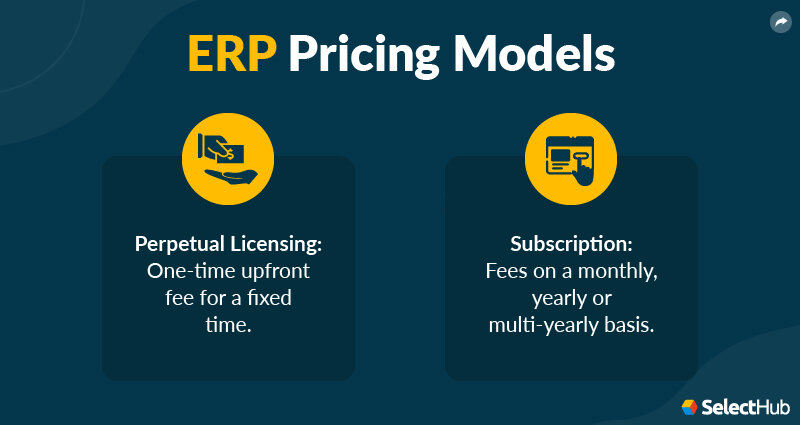
1. Perpetual License: The perpetual license model is one of the most traditional pricing models in the ERP market. In this model, customers pay a one-time upfront fee to purchase the software license. They also have to pay annual maintenance fees to receive updates, support, and maintenance services. The perpetual license model gives customers full control over the software and its customization, but it can be expensive upfront.
2. Subscription-Based Pricing: Subscription-based pricing is becoming increasingly popular in the ERP market. In this model, customers pay a recurring subscription fee on a monthly or annual basis to use the ERP software. This pricing model is attractive to many businesses because it spreads the cost of the software over time and typically includes updates, support, and maintenance services in the subscription fee. Subscription-based pricing also allows for greater flexibility and scalability, as businesses can easily add or remove users as needed.
Subscription-based pricing is often preferred by small and mid-sized businesses that may not have the budget for a large upfront investment in software. It also provides a more predictable and manageable cost structure, making it easier for businesses to budget and plan for their ERP expenses. Additionally, subscription-based pricing often includes cloud hosting services, which can help reduce IT infrastructure costs and simplify the implementation and maintenance process.
3. Usage-Based Pricing: Some ERP vendors offer usage-based pricing models, where customers pay based on the number of users or the amount of data processed by the software. This pricing model can be beneficial for businesses with fluctuating user counts or data volumes, as they only pay for what they use. However, usage-based pricing can be challenging to predict and budget for, as costs can vary depending on usage levels.
4. Tiered Pricing: Tiered pricing models categorize customers into different tiers based on factors such as company size, number of users, or functionality needs. Each tier is associated with a different price point and set of features. This model allows businesses to choose a pricing tier that aligns with their specific needs and budget. Tiered pricing can be a good option for businesses that have varying requirements or want to access additional features as they grow.
Overall, the ERP market offers a variety of pricing models to suit different business needs and budgets. Understanding the pros and cons of each pricing model can help businesses make informed decisions when selecting an ERP system that aligns with their requirements and goals.
Hidden Costs to Consider in ERP Implementation
When it comes to implementing an ERP system, the initial cost estimate is just the tip of the iceberg. There are many hidden costs that organizations often overlook when budgeting for an ERP implementation. It is essential to identify and account for these hidden costs to avoid any financial surprises down the road.
1. Customization and Integration Costs:
One of the most common hidden costs in ERP implementation is customization and integration. While an ERP system may offer a wide range of features and functionalities out of the box, it often requires customization to meet the specific needs and processes of an organization. Customization can be a time-consuming and expensive process, as it typically involves hiring consultants or developers to modify the system to fit the organization’s unique requirements. In addition, integration with existing systems and applications can also incur additional costs, such as middleware or data migration tools. It is essential to thoroughly assess the customization and integration needs before embarking on an ERP implementation to avoid any unexpected expenses.
2. Training and Change Management Costs:
Another hidden cost to consider in ERP implementation is training and change management. While investing in new technology is essential for the success of an ERP project, it is equally important to invest in training and change management to ensure the adoption and utilization of the new system by the end users. Training costs may include developing training materials, conducting training sessions, and hiring external trainers or consultants. Change management costs, on the other hand, may include communication strategies, stakeholder engagement, and organizational readiness assessments. Failing to allocate sufficient budget for training and change management can lead to resistance from end users and ultimately hinder the success of the ERP implementation.
3. Ongoing Support and Maintenance Costs:
A crucial but often overlooked hidden cost in ERP implementation is ongoing support and maintenance. Once the ERP system is up and running, organizations need to allocate resources for ongoing support, maintenance, and upgrades. This may include paying for software updates and patches, licensing fees, technical support from the vendor, and in-house IT staff to manage the system. Failure to plan for ongoing support and maintenance costs can result in system downtime, security vulnerabilities, and decreased system performance. It is essential to establish a clear support and maintenance plan and budget to ensure the long-term success of the ERP system.
Ways to Negotiate Lower ERP Pricing
When it comes to purchasing an ERP system for your business, the pricing can often be a significant factor in your decision-making process. While ERP systems can offer numerous benefits and streamline your business operations, the cost can sometimes be a barrier. Here are some ways you can negotiate lower ERP pricing to ensure you are getting the best deal for your business:
1. Research and Compare: Before entering into negotiations with ERP vendors, it is essential to do your homework. Research different ERP systems on the market and compare their features, functionalities, and pricing. By having a good understanding of the options available to you, you will be better equipped to negotiate a lower price with the vendor.
2. Leverage Multiple Quotes: Don’t settle for the first quote you receive. Reach out to multiple ERP vendors and request quotes from each of them. By comparing quotes from different vendors, you can leverage the competition to negotiate a lower price. Vendors may be more willing to offer discounts or incentives if they know they are competing with other companies for your business.
3. Bundle Services: Another way to negotiate lower ERP pricing is by bundling services. Many ERP vendors offer additional services such as implementation, training, and support. By bundling these services together, you can often negotiate a lower overall price for the entire package. This not only saves you money but also ensures a smoother transition to your new ERP system.
4. Highlight Long-Term Value: When negotiating with ERP vendors, it is essential to highlight the long-term value that their system will bring to your business. Explain how the ERP system will improve efficiency, streamline processes, and increase productivity in the long run. By emphasizing the benefits of their system, vendors may be more willing to negotiate on pricing to secure a long-term partnership with your business.
5. Negotiate Maintenance and Support Costs: In addition to the initial implementation costs, it is important to consider ongoing maintenance and support costs when negotiating ERP pricing. Ask vendors about their maintenance and support plans and negotiate these costs upfront. By securing a favorable maintenance and support agreement, you can ensure that you are getting the best value for your investment in the long term.
By following these tips and strategies, you can effectively negotiate lower ERP pricing and ensure that you are getting the best deal for your business. Remember, it is essential to be prepared, do your research, and clearly communicate the value of the ERP system to the vendor. With the right approach, you can secure a favorable price that meets your budget and aligns with your business goals.
Understanding the Total Cost of Ownership of an ERP system
When considering implementing an ERP system, it is crucial to understand the total cost of ownership (TCO) associated with it. TCO encompasses all the costs associated with the ERP system throughout its entire lifecycle, including implementation, maintenance, training, support, upgrades, and any other expenses that may arise. By understanding the TCO, businesses can make informed decisions about whether an ERP system is a worthwhile investment for them. Here are some key factors to consider when calculating the TCO of an ERP system:
1. Licensing costs: One of the most significant expenses associated with an ERP system is the licensing costs. These costs can vary depending on the size of the organization, the number of users, and the modules required. It is essential to consider not just the upfront licensing costs but also any ongoing maintenance fees or additional licensing fees that may be incurred.
2. Implementation costs: Implementing an ERP system can be a complex and costly process. Businesses need to factor in costs such as consulting fees, customization, data migration, training, and downtime during implementation. It is essential to work closely with the ERP vendor to create a detailed implementation plan and budget to avoid any unexpected costs.
3. Maintenance and support costs: Once the ERP system is up and running, businesses will incur ongoing maintenance and support costs. These costs can include software updates, technical support, troubleshooting, and any additional training needed. It is crucial to have a clear understanding of the vendor’s support policies and costs to ensure timely and effective support when needed.
4. Upgrade costs: ERP systems are continually evolving, with new features and functionalities being released regularly. Businesses need to budget for periodic upgrades to ensure they have access to the latest technology and features. Upgrade costs can include software licenses, consulting fees, training, and downtime during the upgrade process.
5. Hidden costs: In addition to the more obvious costs mentioned above, there may be hidden costs associated with an ERP system that businesses need to be aware of. These hidden costs can include internal resources diverted to the ERP project, lost productivity during the implementation phase, integration costs with other systems, and potential disruptions to business operations. It is essential to conduct a thorough cost analysis to uncover any potential hidden costs and factor them into the overall TCO calculation.
In conclusion, understanding the TCO of an ERP system is essential for businesses considering implementing one. By taking into account all the costs associated with an ERP system, businesses can make informed decisions about whether the investment is worth it in the long run. By carefully planning and budgeting for all aspects of the TCO, businesses can avoid any unexpected expenses and ensure a successful ERP implementation.
Originally posted 2025-01-10 13:46:01.